Why Tracking Updates Sometimes Stop (6 Real Reasons You Should Know)
Your parcel says “In Transit,” but nothing has changed for hours or even days. That small pause in updates can create big worry. Many people start thinking their package is lost. Others assume something has gone wrong.
This is the real reason people search for Why Tracking Updates Sometimes Stop. They want reassurance. They want to understand what is happening behind the screen.
Let’s break it down in a calm and honest way.
The Truth About Tracking Systems
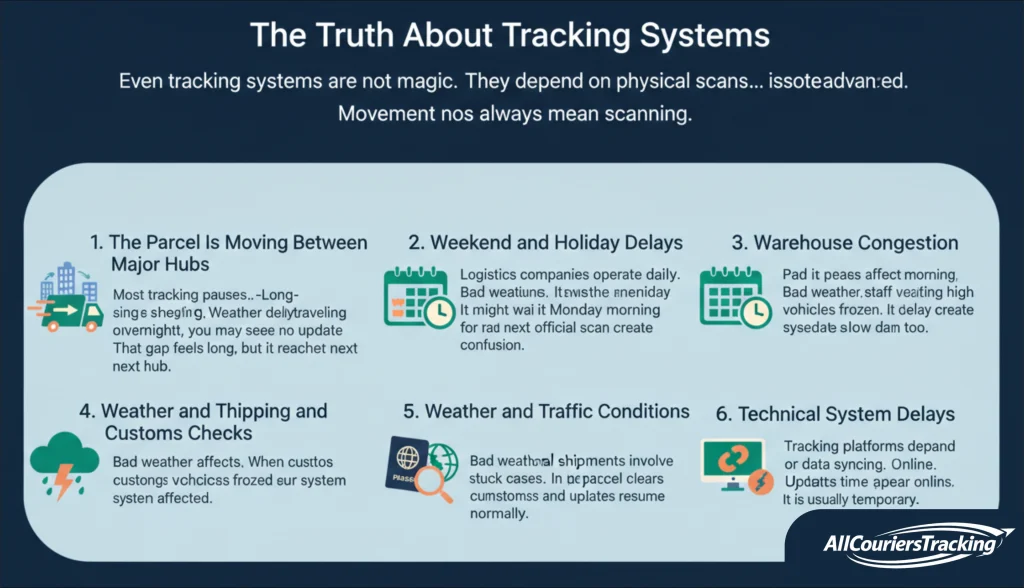
Tracking systems are not magic. They depend on physical scans. Every time a parcel reaches a warehouse, hub, airport, or delivery center, it gets scanned. That scan creates the update you see.
If there is no scan, there is no new update. The parcel may still be moving, but the system stays silent until the next checkpoint.
This is the first answer to Why Tracking Updates Sometimes Stop. Movement does not always mean scanning.
1. The Parcel Is Moving Between Major Hubs
Most tracking pauses happen during long-distance transport. For example, when a parcel leaves one city and travels to another by truck, ship, or plane, it might not be scanned during the journey. It only gets scanned at departure and arrival.
So if your shipment is traveling overnight, you may see no update until it reaches the next hub. That gap feels long, but it is normal.
2. Weekend and Holiday Delays
Logistics companies operate daily, but scanning staff and administrative updates may slow down during weekends or public holidays. Imagine a parcel arriving at a sorting center on Saturday night. It might wait until Monday morning for the next official scan.
This delay can create confusion. In reality, it is just a timing issue.
3. Warehouse Congestion
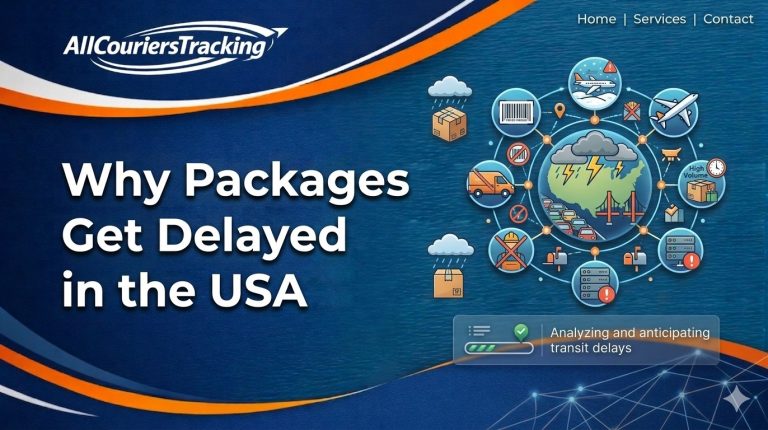
During peak seasons like sales events or holidays, warehouses handle thousands of parcels every hour. Sometimes parcels are processed in bulk. Scans may be delayed while staff manage high volumes.
You might see your tracking frozen for 24 to 48 hours. It does not mean your parcel is lost. It often means the system is overloaded.
4. Weather and Traffic Conditions
Bad weather affects transportation more than people realize. Heavy rain, storms, or port congestion can slow movement. When vehicles are delayed, scanning schedules are also affected.
The tracking system reflects operational flow. If operations slow down, updates slow down too.
5. International Shipping and Customs Checks
International shipments involve customs clearance. During this stage, parcels are inspected and verified. Customs processes may not generate regular tracking scans. This can cause tracking to appear stuck.
Many international buyers worry during this stage. In most cases, the parcel clears customs and updates resume normally.
6. Technical System Delays
Tracking platforms depend on data syncing between scanners, warehouses, and online systems. Sometimes scans happen, but updates take time to appear online. This delay can last a few hours. It is frustrating, but it is usually temporary.
A Real-Life Example
A small online seller once had a customer panic after two days without updates. The parcel was traveling between cities by road. When it reached the next sorting center, tracking suddenly updated with multiple new events at once.
The package was never lost. It was simply in transit without intermediate scans. This situation explains clearly Why Tracking Updates Sometimes Stop. The system only speaks when it receives new data.
When Should You Actually Worry?
Most tracking pauses are harmless. However, you should consider contacting support if:
- There is no update for more than 5-7 business days
- The status shows “Exception” or “Failed Delivery”
- The parcel was marked delivered but not received
In these cases, action may be needed.
How to Stay Calm During Tracking Pauses
Waiting is emotional, especially for important deliveries.
Here are practical tips:
- Check updates once or twice daily, not every hour
- Focus on major status changes
- Understand transit time between cities
- Keep your tracking number safe
Patience saves unnecessary stress.
What Logistics Companies Do Behind the Scenes
Behind every tracking page is a complex network of:
- Drivers and delivery teams
- Warehouse staff
- Port operators
- Customs officials
- IT systems syncing data
Tracking depends on coordination between all these parts. When one stage slows, updates slow.
Understanding this makes the process feel less mysterious.
The Psychological Side of Tracking
Humans dislike uncertainty. When something important is on the way, silence feels threatening. That is Why Tracking Updates Sometimes Stop becomes such a common concern. It is not just about logistics. It is about reassurance.
When updates pause, people imagine worst-case scenarios. In reality, the parcel is often just moving quietly.
The Difference Between “No Update” and “No Movement”
This is important.
“No update” does not mean “no movement.”
It only means there has been no new scan recorded in the system. Your parcel may be on a truck, ship, or plane at that very moment.
Understanding this difference removes unnecessary panic.
How Technology Is Improving Tracking
Modern logistics companies are investing in:
- Real-time GPS tracking
- Automated scanning systems
- Faster data syncing
- AI-based delay prediction
These improvements reduce tracking gaps. However, no system is perfect yet.
Final Thoughts
Tracking is designed to provide clarity, not constant updates every minute. When the screen stays the same, it usually means your parcel is traveling between checkpoints. The next time you notice a delay, remember this guide. Most pauses are normal. Most shipments arrive safely.
Understanding Why Tracking Updates Sometimes Stop turns anxiety into patience. And in the world of logistics, patience is often the most practical response. Your parcel is likely on its way. Quietly. Moving closer.