How Artificial Intelligence Is Changing Logistics
The logistics industry has always been the backbone of global trade, quietly powering the movement of goods from manufacturers to consumers. However, in recent years, Artificial Intelligence (AI) has begun to transform this traditionally complex and labor-intensive sector into a smarter, faster, and more efficient ecosystem. From predictive analytics to autonomous delivery systems, AI is redefining how logistics companies operate, compete, and serve their customers.
In this article, we’ll explore how AI is reshaping logistics, the key technologies involved, real-world applications, benefits, challenges, and what the future holds.
Understanding AI in Logistics

Artificial Intelligence refers to the use of machines and software that can mimic human intelligence – learning from data, identifying patterns, making decisions, and improving over time. In logistics, AI integrates with technologies such as machine learning, big data analytics, the Internet of Things (IoT), and robotics to streamline operations.
Traditionally, logistics relied heavily on manual processes, spreadsheets, and human judgment. Today, AI enables automation, real-time insights, and predictive decision-making, allowing companies to handle complex supply chains more effectively.
Key Areas Where AI Is Transforming Logistics
1. Demand Forecasting and Planning
One of the biggest challenges in logistics is predicting demand accurately. AI-powered systems analyze historical data, market trends, weather patterns, and even social media signals to forecast demand with high precision.
This helps businesses:
- Avoid overstocking or stockouts
- Improve warehouse efficiency
- Optimize inventory levels
For example, retailers can predict seasonal demand spikes and prepare logistics operations accordingly, reducing costs and improving customer satisfaction.
2. Route Optimization and Fleet Management
AI plays a crucial role in optimizing delivery routes. Instead of relying on static routes, AI systems consider real-time factors such as:
- Traffic conditions
- Weather updates
- Road closures
- Delivery priorities
By doing so, logistics companies can:
- Reduce fuel consumption
- Minimize delivery times
- Improve driver productivity
Fleet management systems powered by AI also monitor vehicle performance, predict maintenance needs, and ensure efficient utilization of assets.
3. Warehouse Automation
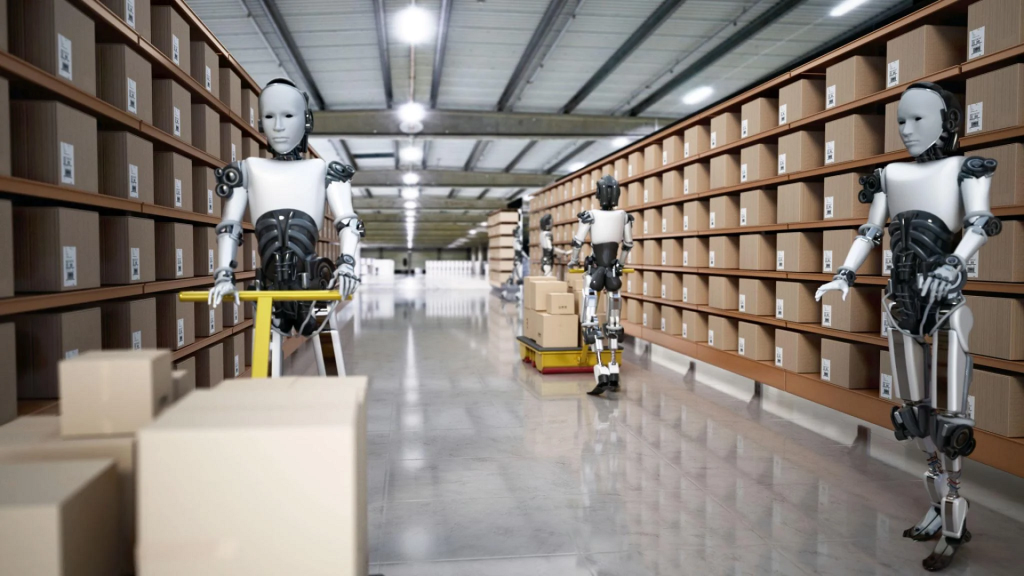
Warehouses are becoming smarter with AI-driven automation. Modern warehouses use robots and AI systems to:
- Pick and pack items
- Sort shipments
- Manage inventory
AI helps in optimizing storage layouts by analyzing product demand and movement patterns. High-demand items are placed in easily accessible locations, reducing picking time.
Additionally, computer vision systems can track inventory in real time, reducing errors and improving accuracy.
4. Predictive Maintenance
Unexpected vehicle breakdowns can disrupt the entire supply chain. AI helps prevent this by analyzing data from sensors installed in vehicles and machinery.
These systems can:
- Detect early signs of wear and tear
- Predict potential failures
- Schedule maintenance proactively
This reduces downtime, lowers repair costs, and ensures smooth operations.
5. Last-Mile Delivery Optimization
The “last mile” is often the most expensive and complex part of logistics. AI helps streamline last-mile delivery through:
- Dynamic route planning
- Real-time tracking
- Delivery time predictions
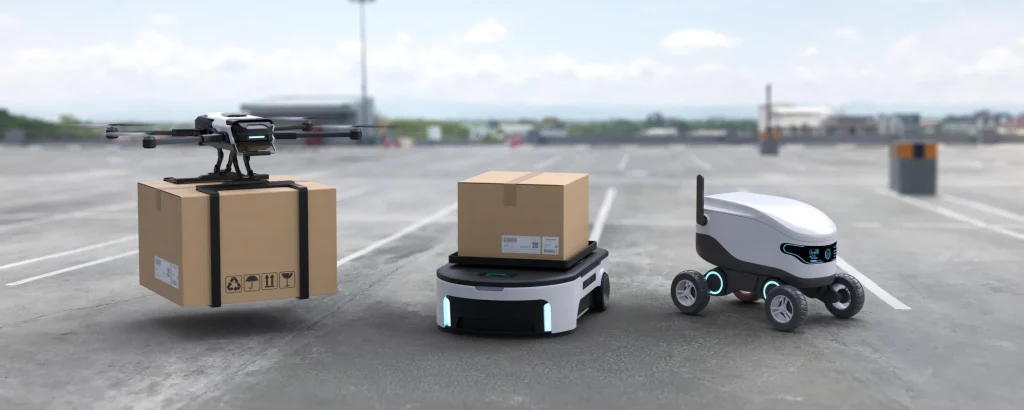
Some companies are also experimenting with AI-powered delivery solutions such as drones and autonomous vehicles. These innovations aim to reduce costs and improve delivery speed, especially in urban areas.
6. Enhanced Customer Experience
Customer expectations have changed dramatically. People now demand faster deliveries, real-time tracking, and transparency.
AI enhances customer experience by:
- Providing accurate delivery time estimates
- Offering real-time tracking updates
- Automating customer support through chatbots
AI-driven systems can also personalize services, such as suggesting delivery time slots based on customer preferences.
7. Risk Management and Fraud Detection
Supply chains are vulnerable to risks such as theft, delays, and fraud. AI systems can analyze large datasets to identify unusual patterns and potential threats.
For example:
- Detecting suspicious shipment activities
- Predicting delays due to external factors
- Identifying inefficiencies in the supply chain
This helps companies take proactive measures and reduce losses.
Real-World Applications of AI in Logistics
Many global logistics companies are already leveraging AI to improve their operations.
- E-commerce giants use AI for demand forecasting and warehouse automation
- Shipping companies utilize AI for route optimization and vessel tracking
- Courier services rely on AI for real-time tracking and delivery predictions
Even small and medium-sized businesses are adopting AI tools to remain competitive in the market.
Benefits of AI in Logistics
Increased Efficiency
AI automates repetitive tasks and optimizes processes, reducing manual effort and errors.
Cost Reduction
By improving route planning, inventory management, and maintenance, AI helps lower operational costs.
Faster Deliveries
Real-time optimization ensures quicker and more reliable deliveries.
Improved Accuracy
AI reduces human errors in inventory tracking, order processing, and forecasting.
Better Decision-Making
Data-driven insights enable businesses to make informed decisions quickly.
Challenges of Implementing AI in Logistics
While AI offers numerous benefits, its implementation comes with challenges.
1. High Initial Investment
AI systems require significant investment in technology, infrastructure, and training.
2. Data Quality Issues
AI relies on high-quality data. Inaccurate or incomplete data can lead to poor decisions.
3. Integration Complexity
Integrating AI with existing systems can be complex and time-consuming.
4. Workforce Adaptation
Employees need to adapt to new technologies, which may require training and skill development.
5. Security Concerns
Handling large volumes of data increases the risk of cyber threats and data breaches.
The Role of Emerging Technologies
AI does not work in isolation. It is often combined with other technologies to deliver better results.
Internet of Things (IoT)
IoT devices provide real-time data from vehicles, warehouses, and shipments, which AI analyzes for insights.
Big Data Analytics
AI processes massive amounts of data to identify patterns and trends.
Blockchain
Blockchain enhances transparency and security in supply chains.
Robotics
Robots powered by AI improve efficiency in warehouses and distribution centers.
Future Trends in AI and Logistics
The future of logistics is increasingly driven by AI innovation. Some key trends include:
Autonomous Vehicles
Self-driving trucks and delivery vehicles are expected to become more common, reducing labor costs and improving efficiency.
Drone Deliveries
Drones may revolutionize last-mile delivery, especially in remote or congested areas.
Smart Supply Chains
AI will enable fully integrated and automated supply chains with minimal human intervention.
Hyper-Personalization
Customers will receive highly personalized delivery options based on their preferences and behavior.
Sustainability Optimization
AI will help reduce carbon emissions by optimizing routes, improving fuel efficiency, and minimizing waste.
How Businesses Can Adopt AI in Logistics
For businesses looking to implement AI in logistics, the following steps can help:
- Start Small – Begin with specific use cases like route optimization or demand forecasting
- Invest in Data Infrastructure – Ensure data is accurate, organized, and accessible
- Choose the Right Tools – Select AI solutions that fit your business needs
- Train Employees – Equip your workforce with the necessary skills
- Monitor and Improve – Continuously evaluate performance and refine strategies
Conclusion
Artificial Intelligence is no longer a futuristic concept—it is already transforming the logistics industry in profound ways. From improving efficiency and reducing costs to enhancing customer experience and enabling smarter decision-making, AI is reshaping every aspect of logistics.
While challenges remain, the benefits far outweigh the drawbacks, making AI adoption a strategic necessity for businesses aiming to stay competitive in a rapidly evolving market.
As technology continues to advance, the logistics industry will become more intelligent, automated, and responsive than ever before. Companies that embrace AI today will be better positioned to lead the supply chains of tomorrow.