How to Track International Shipments Step by Step – The Complete & Practical Guide (2026 Edition)
Tracking packages across borders may seem complicated, but it doesn’t have to be. Whether you are an online seller, an importer, or simply waiting for a personal parcel, understanding How to Track International Shipments Step by Step can save time, money, and stress.
International shipping involves multiple carriers, customs checkpoints, and tracking systems. This guide explains everything clearly, using simple language and real-world steps. By the end, you’ll be able to track any international shipment confidently from dispatch to delivery.
Understanding International Shipment Tracking
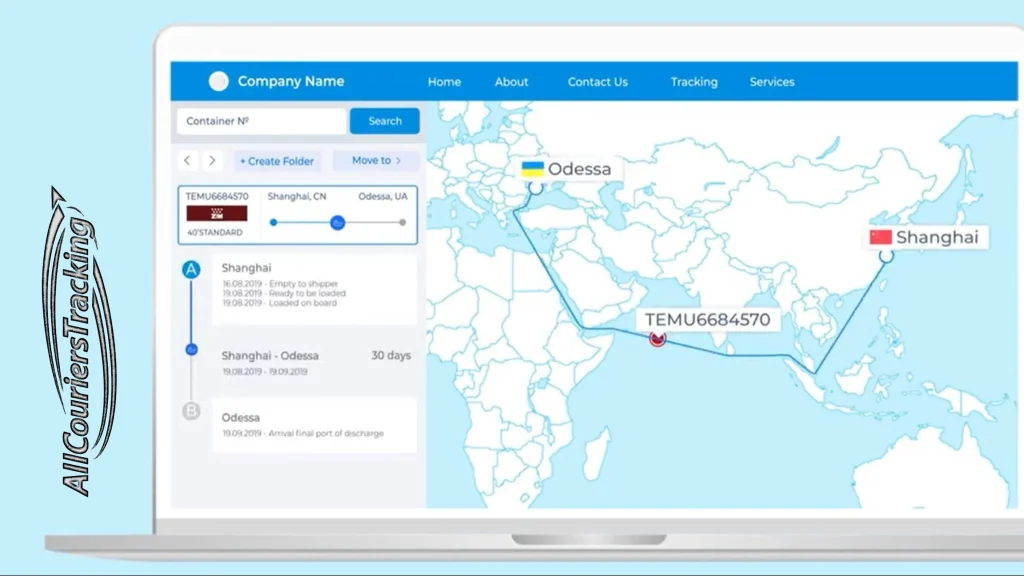
International shipment tracking is the process of monitoring a package as it moves from one country to another. Unlike domestic shipments, international deliveries often pass through multiple logistics providers and customs authorities.
Tracking updates are generated when:
- The parcel is scanned at checkpoints
- It changes carriers
- It enters or exits customs
- It reaches the destination country
Each scan updates the shipment status, giving you visibility into the parcel’s journey.
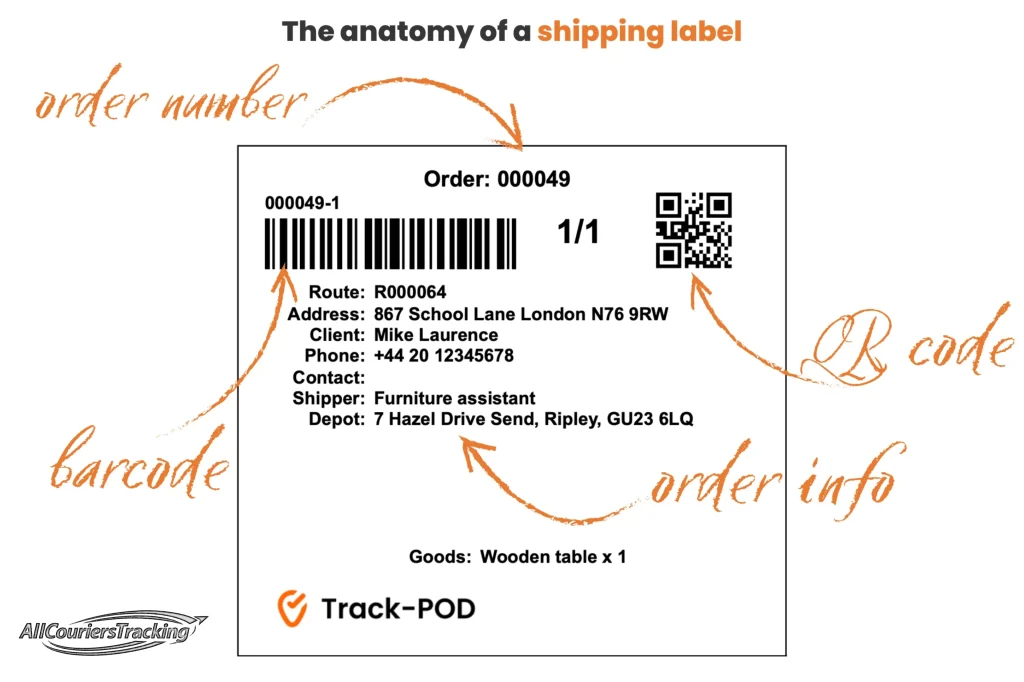
Collect the Tracking Number
Every international shipment begins with a tracking number. This number is essential and works like a digital passport for your package.
Where to Find the Tracking Number
- Shipping confirmation email
- Seller or eCommerce dashboard
- Carrier receipt
- Invoice or shipping label
Common Tracking Number Formats
| Carrier Type | Example Format |
|---|---|
| Postal Service | RR123456789CN |
| Courier (Express) | 1234 5678 9012 |
| Freight Forwarder | BOL or AWB number |
Tip: Always save the tracking number in a safe place or bookmark the tracking page.
Identify the Shipping Carrier
Knowing the carrier is crucial because each provider uses a different tracking system.
Common International Carriers
- National postal services
- Express couriers
- Freight forwarding companies
- Ocean or air cargo operators
Sometimes the shipment starts with one carrier and ends with another. This is normal in international logistics.
Visit the Official Tracking Website
Once you know the carrier, go directly to their official website. Enter the tracking number carefully – one missing digit can cause errors.
What You’ll See
- Shipment status
- Date and time stamps
- Current location
- Transit history
Statuses may appear technical at first, but don’t worry—we’ll explain them shortly.
Step 4: Understand Tracking Status Updates
Tracking statuses follow a predictable pattern. Here’s what they usually mean:
Common Tracking Terms Explained
| Shipment Accepted | Carrier has received the package |
| In Transit | Package is moving between locations |
| Arrived at Sorting Facility | Package is being processed |
| Customs Clearance | Package is under inspection |
| Out for Delivery | Final delivery stage |
| Delivered | Package has reached the recipient |
International shipments may pause at customs longer than expected. This is normal.
Track Across Multiple Carriers
International packages often switch carriers when entering a new country. This is known as handover tracking.
How to Track Multi-Carrier Shipments
- Use global tracking platforms
- Check the destination country’s postal service
- Monitor updates from both origin and destination carriers
Pro Tip: Copy your tracking number into multiple tracking tools for better visibility.
Monitor Customs Clearance Progress
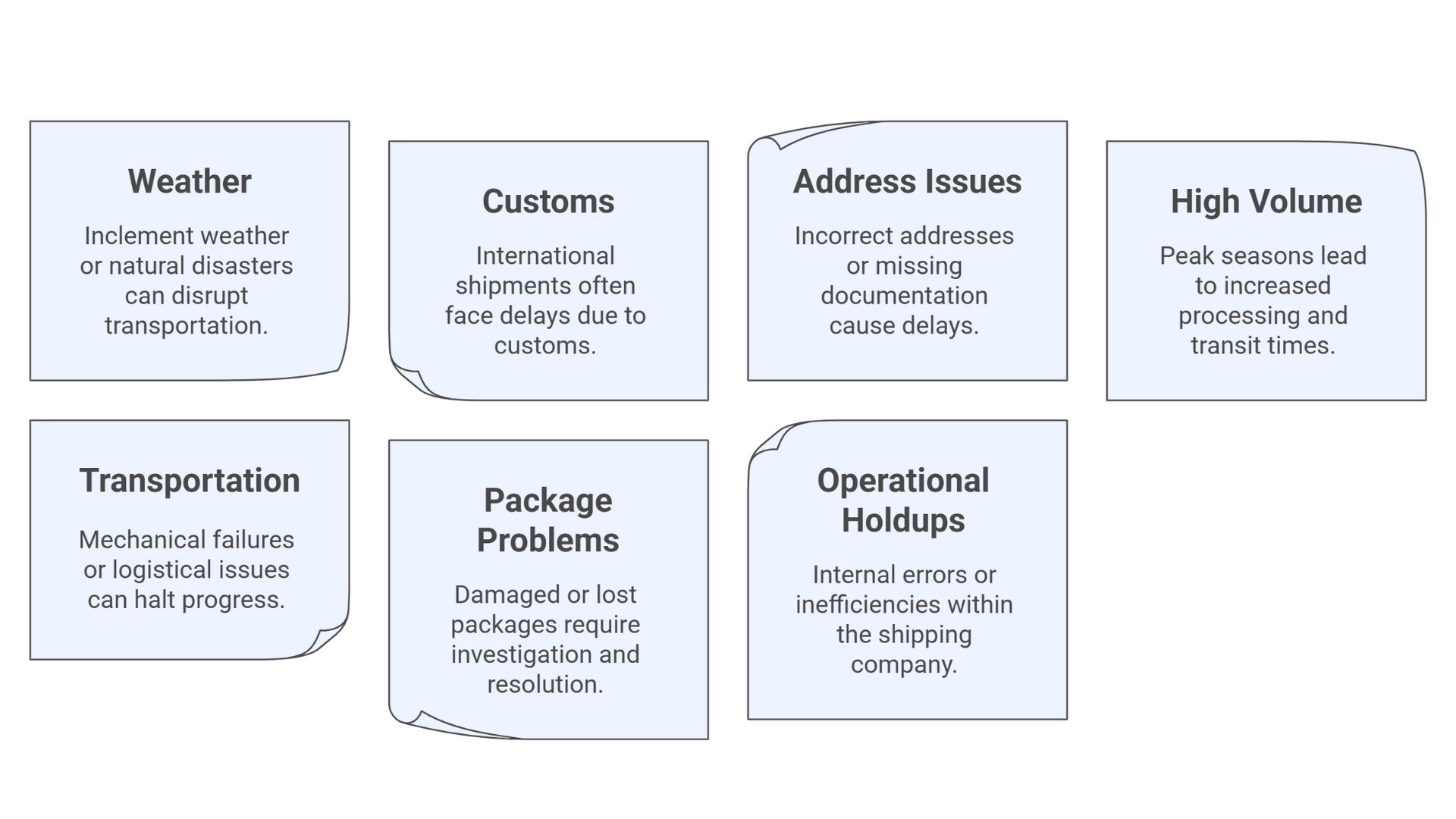
Customs clearance is the most sensitive stage of international shipping. Delays often happen here.
Why Customs Delays Occur
- Missing paperwork
- Incorrect declared value
- Restricted or prohibited items
- Outstanding import duties
How to Speed Up Customs Clearance
- Ensure accurate shipping documents
- Respond quickly to carrier requests
- Pay customs fees immediately
- Keep invoices ready
Tracking status may show “Held at Customs” or “Awaiting Clearance” during this phase.
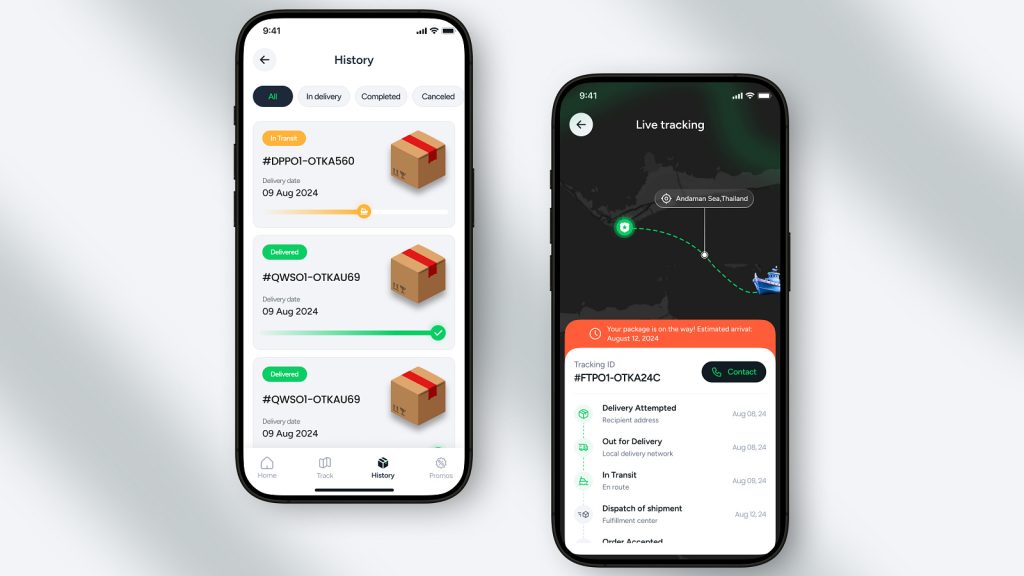
Use Shipment Tracking Apps & Tools
Modern tracking tools make it easier to monitor international shipments in real time.
Benefits of Tracking Tools
- One dashboard for multiple carriers
- Push notifications for status updates
- Automatic carrier detection
- Delivery alerts
These tools are especially useful for businesses managing multiple shipments.
Set Up Notifications and Alerts
Most carriers and tracking platforms allow email or SMS alerts.
Why Alerts Matter
- Immediate updates on delays
- Notifications for customs issues
- Delivery confirmations
- Reduced need for manual checks
Alerts keep you proactive rather than reactive.
Handle Tracking Delays & Missing Updates
Sometimes tracking appears “stuck.” This doesn’t always mean your package is lost.
Common Reasons for No Updates
- Long international transit routes
- Customs inspections
- Remote destination scans
- Carrier system delays
What You Should Do
- Wait 48–72 hours
- Recheck with the destination carrier
- Contact the seller or shipper
- Reach out to carrier support
Patience is often the key in international shipping.
Confirm Final Delivery
Once the shipment reaches its destination country, delivery becomes faster.
Final Delivery Tips
- Track local courier updates
- Check for delivery attempts
- Monitor proof of delivery
- Contact local carrier if delivery fails
After delivery, save the confirmation for records or warranty purposes.
Best Practices for Tracking International Shipments
Following best practices can prevent most issues.
Do This Every Time
- Double-check tracking numbers
- Save shipping documents
- Use reliable carriers
- Track shipments daily
- Keep communication open
These habits make international logistics smoother and more predictable.
Common Mistakes to Avoid
Avoid these common tracking errors:
- Using the wrong carrier website
- Ignoring customs notifications
- Misreading tracking statuses
- Assuming delays mean loss
- Not keeping proof of shipment
Awareness reduces unnecessary stress.
FAQs
How long does international shipment tracking take to update?
Updates can take 24–72 hours depending on carrier scans and customs processing.
Why does my tracking show “In Transit” for many days?
Long distances, customs clearance, and carrier handovers cause extended transit times.
Can I track international shipments without a tracking number?
No. A tracking number is required to monitor international shipments.
What does “Arrived at Destination Country” mean?
The shipment has entered the destination country and will soon be handed to a local carrier.
Is international shipment tracking always accurate?
Tracking is reliable but may experience delays or gaps due to system updates.
What should I do if my package is stuck in customs?
Contact the carrier, provide the requested documents, and pay any outstanding duties promptly.
Conclusion
Understanding How to Track International Shipments Step by Step empowers you to manage deliveries confidently. From collecting the tracking number to handling customs clearance and final delivery, each step plays a vital role.
With the right tools, patience, and knowledge, tracking international shipments becomes a smooth and predictable process. Whether for personal use or business operations, mastering shipment tracking helps you stay informed, reduce delays, and ensure successful global deliveries.