Transnet Tracking | Track Your Shipment
How to Track a Transnet Tracking on AllCouriersTracking
- Simply enter your Tracking number, booking / reference number into the tracking field.
- Press the “Track Now” button.
- The instantly access up-to-date details about your container’s current status, & location.
When a shipment is moving across ports, rail lines, or terminals, waiting without updates can feel uncomfortable. Businesses worry about delays. Importers watch deadlines closely. That is where Transnet Tracking quietly brings relief.
In South Africa’s large logistics network, knowing where your cargo is matters as much as knowing when it will arrive. Tracking creates confidence in a system that can otherwise feel overwhelming.
Understanding the Role of Transnet in Daily Logistics
Transnet is at the heart of South Africa’s freight movement. It manages rail, ports, and pipelines that connect local and global trade. From raw materials to finished goods, millions of tons move through this network every year. Tracking helps users stay connected to this massive flow.
How Transnet Container and Cargo Tracking Works
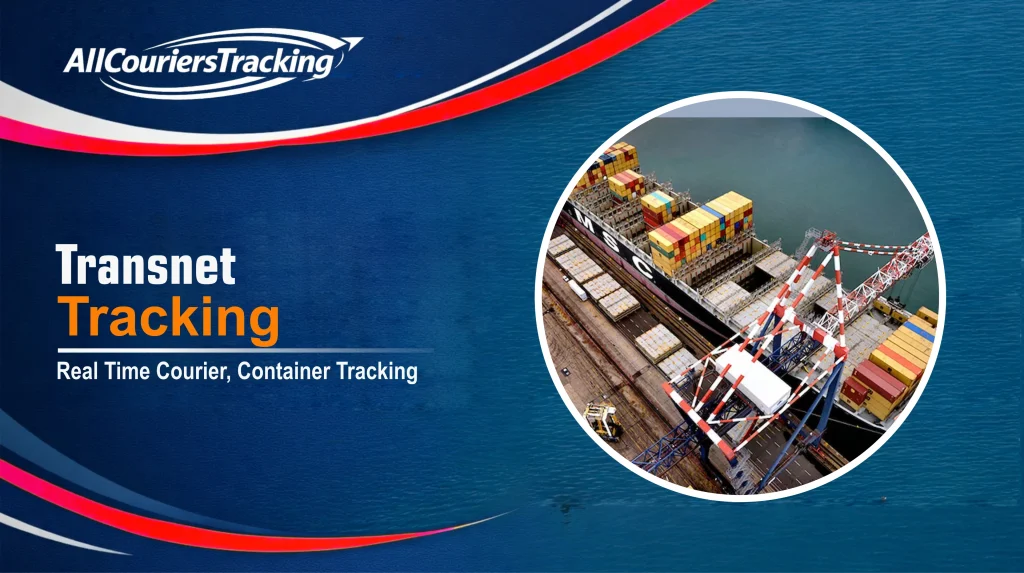
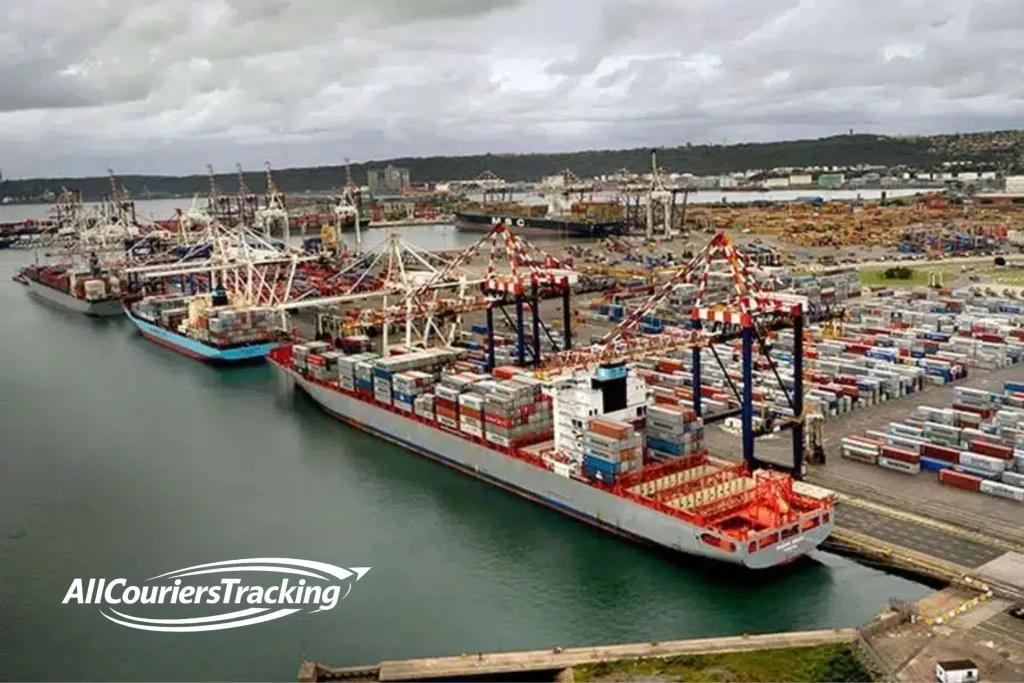
Imagine a container arriving at Durban Port. It does not move blindly. Each step is recorded. transnet container tracking allows users to follow that movement from port to inland terminal.
The same applies to transnet cargo tracking. Updates show whether goods are:
- At port terminals
- Loaded onto rail
- In transit to destination
This visibility helps businesses plan storage, transport, and staffing.
Steps to Track a Transnet Shipment
- Visit the official Transnet tracking portal.
- Locate the tracking or shipment tracking section.
- Enter your Transnet tracking number in the search field.
- Click the Track button.
- View the latest shipment details, including current location, transit status, and estimated delivery information.
Port Terminals and Digital Visibility
Ports can feel complex, especially for first-time importers. transnet port terminals tracking simplifies this experience.
With digital updates, users can see:
- Arrival confirmations
- Terminal handling status
- Release or clearance stages
This clarity reduces phone calls and confusion, especially during busy shipping seasons.
Using Navis and Shipment Tracking Systems
Many terminals rely on specialized systems for accuracy. transnet navis tracking is often used within container terminals to manage vessel and yard operations.
Alongside this, transnet shipment tracking brings all shipment data together. It helps freight forwarders and logistics teams keep customers informed without delays.
Courier and Parcel Tracking Within the Network
Not all shipments are massive containers. Some documents and parcels also move through connected services. Transnet courier tracking and Transnet parcel tracking support smaller consignments. They offer the same benefit: knowing the stage of the shipment without stress.
This is especially useful for time-sensitive paperwork and business samples.
A Real-Life Example From the Supply Chain
A small exporter sending goods from Gauteng to an overseas buyer cannot afford uncertainty. By using transnet tracking, the exporter watches the cargo move from rail to port.
This visibility allows early communication with buyers. Trust grows. Problems are solved before they become costly.
Why Tracking Matters More Than Ever
Modern logistics is not just about moving goods. It is about information. When systems speak clearly, people make better decisions. That is why Transnet Tracking has become a vital part of South Africa’s trade backbone. It transforms waiting into knowing and complexity into control.
In a world that runs on movement, clarity is the strongest link in the chain.
Customer Support:
Phone : (+237) 677963577.
Email: [email protected]
Office Add: Boulevard de la République, Bali, Douala-Cameroon.
Conclusion
In today’s fast-moving logistics world, clear information is just as important as physical movement. Transnet tracking helps bridge that gap by giving businesses and individuals visibility, confidence, and control over their shipments. Instead of waiting in uncertainty, users can make informed decisions at every stage of the journey.
Whether it is containers at busy ports, cargo on rail, or smaller parcels in transit, tracking brings transparency to a complex system. In the long run, this clarity saves time, reduces stress, and builds trust across the supply chain.